Chimney Liners · North of Boston

A safe flue starts with the right liner.

A cracked, missing or undersized liner puts your home at risk. We install and repair stainless steel liners that vent your appliance correctly — so your fireplace, stove or furnace runs safely and efficiently.
  • Photo documentation
  • UL-listed materials
  • Code-compliant install
Stainless steel chimney liner being installed
See the differenceBefore & after liner photos
What we address

Your liner, done right.

A liner is more than a pipe — it's the barrier between your home and the heat and gases inside your chimney. We get every detail right.
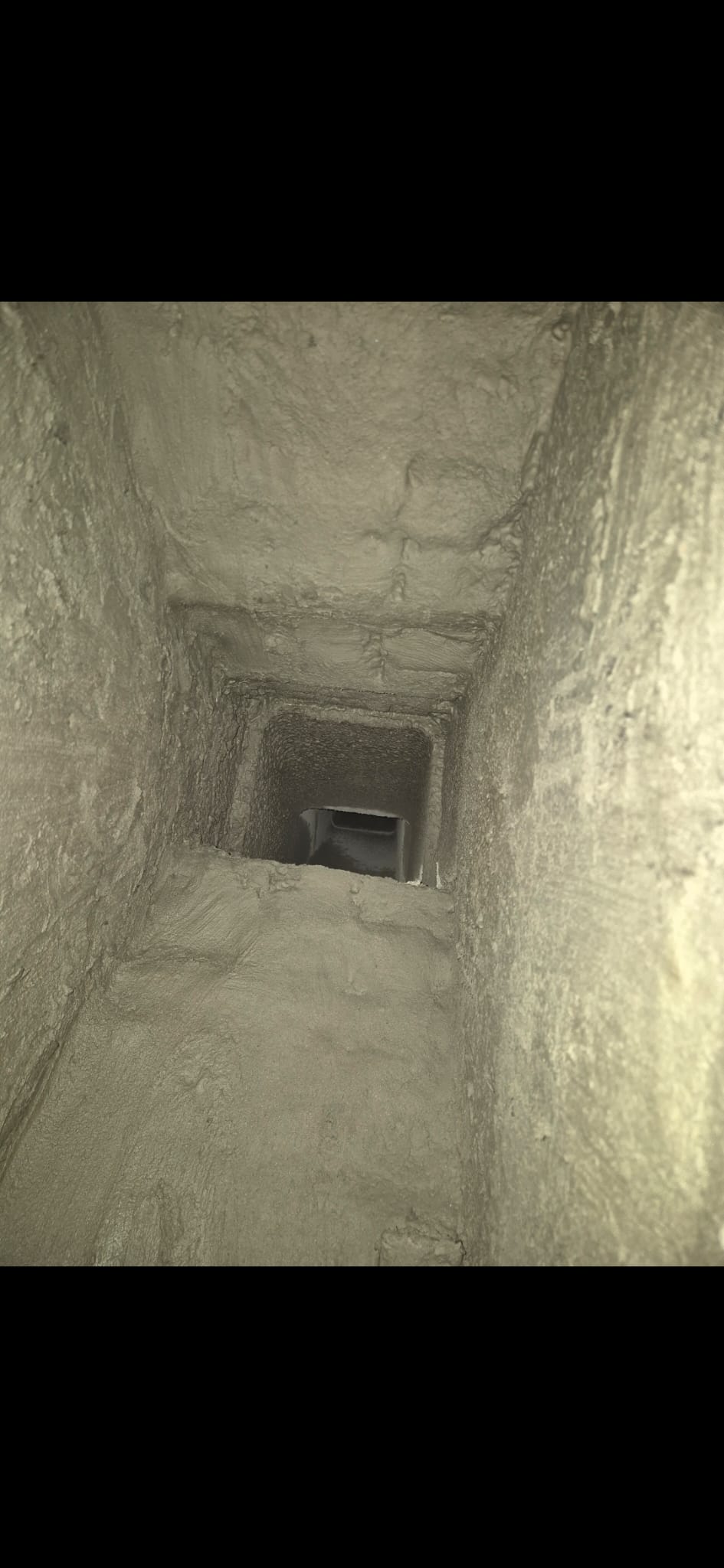
Stainless steel liner inside a chimney flue
Inside the flueWhere the liner does its work
01

Liner sizing

The right diameter for your appliance, so it vents properly and draft stays strong.

02

Stainless steel liner

Durable, UL-listed liner that handles heat and corrosive flue gases.

03

Insulation

Wrapping the liner to keep flue gases warm and reduce creosote.

04

Top plate & cap

A sealed top plate and cap to keep water, animals and debris out.

05

Appliance connection

A secure connection from the appliance to the liner, with no gaps.

06

Code compliance

Work that meets current codes and manufacturer requirements.

Liner types

The right liner for your chimney.

Different appliances and chimneys need different liners. We'll recommend the one that fits your setup.

01
Stainless steel

Round or oval

For wood fireplaces, wood stoves and most modern appliances.

  • Strong, long-lasting and smooth-walled
  • Fits most masonry chimneys
  • Works with wood, gas and oil
Most common upgrade
02
Insulated liner

Wrapped system

For exterior chimneys or when draft and creosote are a concern.

  • Keeps flue gases warmer
  • Reduces creosote build-up
  • Improves performance and safety
03
Cast-in-place

Concrete liner

For badly damaged flues that can't take a standard liner.

  • Restores structural integrity
  • Smooth, sealed flue surface
  • Good for older, oversized chimneys

Not sure which liner you need? Tell us about your appliance and chimney in the form below and we'll advise.

Signs you need one

Signs your liner needs attention.

A damaged or missing liner is a serious safety issue. Call us if you notice any of these.

Get a Liner Quote
Chimney fire historyCracks caused by a past fire, even a small one.
Smoke in the roomPoor draft or smells that won't go away.
Missing or damaged linerOld clay tiles, gaps or a liner that was never installed.
Water or rustLeaks, staining or rust around the flue.
Buying or selling a homeA liner inspection is a must before closing.
New stove or insertUpgrading your appliance or switching fuel type.
After a stormWind or lightning can damage even a newer liner.
From our liner work

What we see.

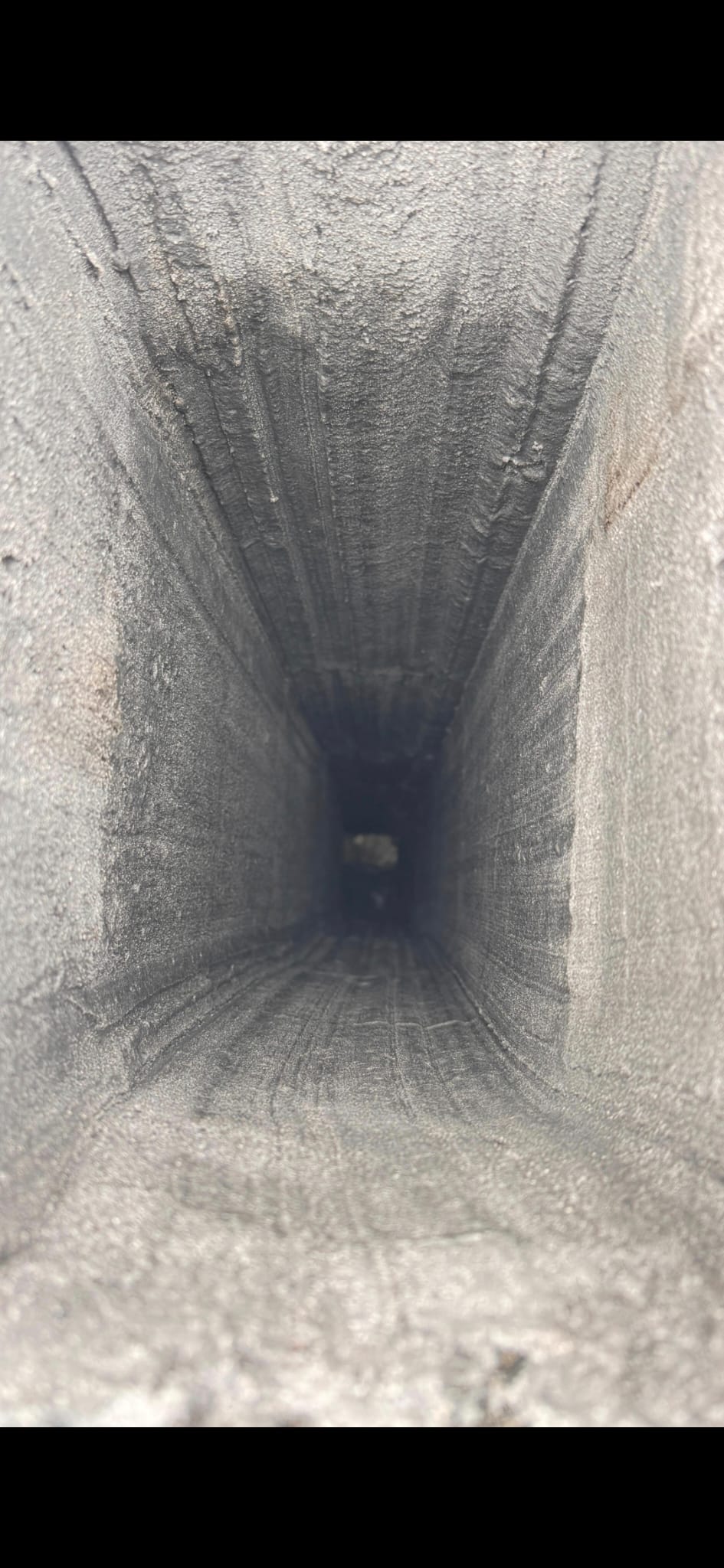
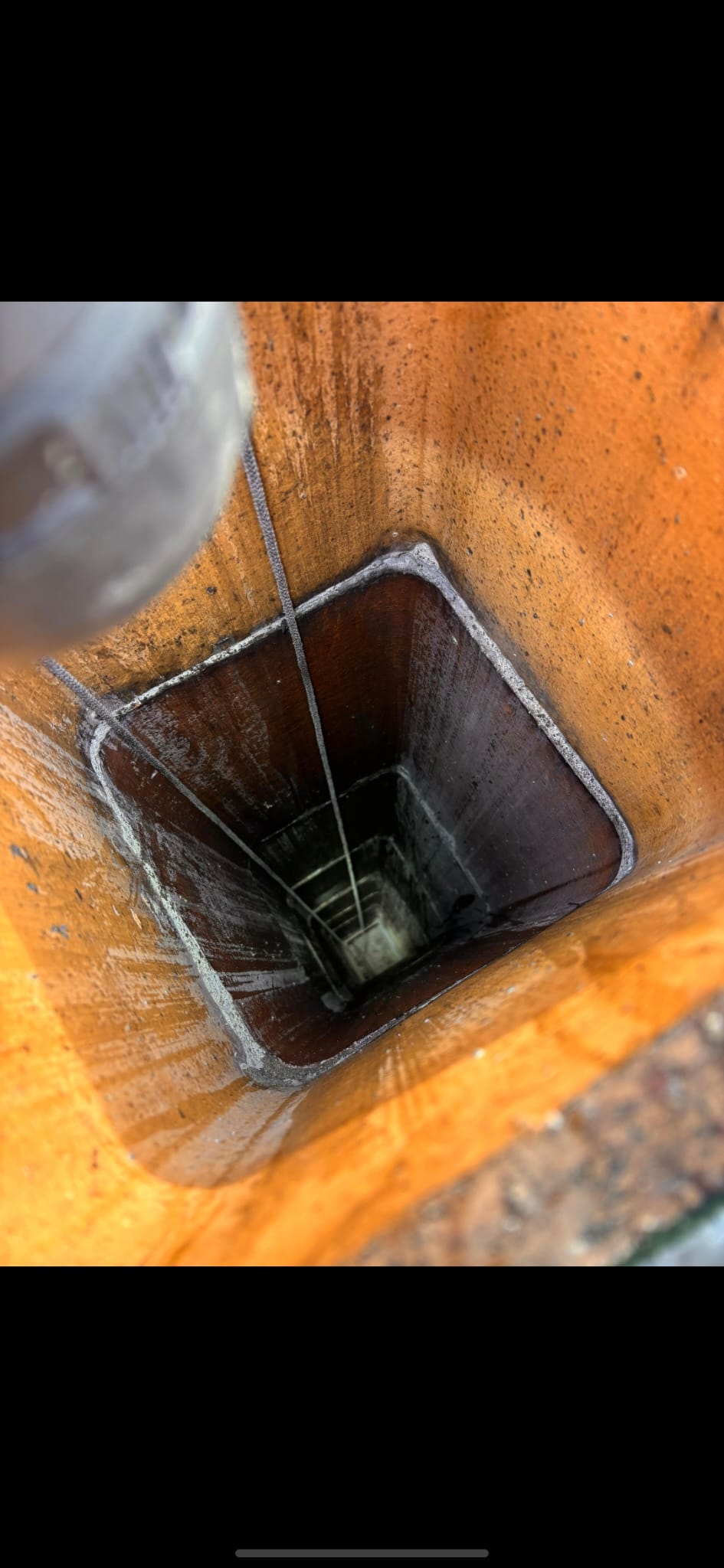
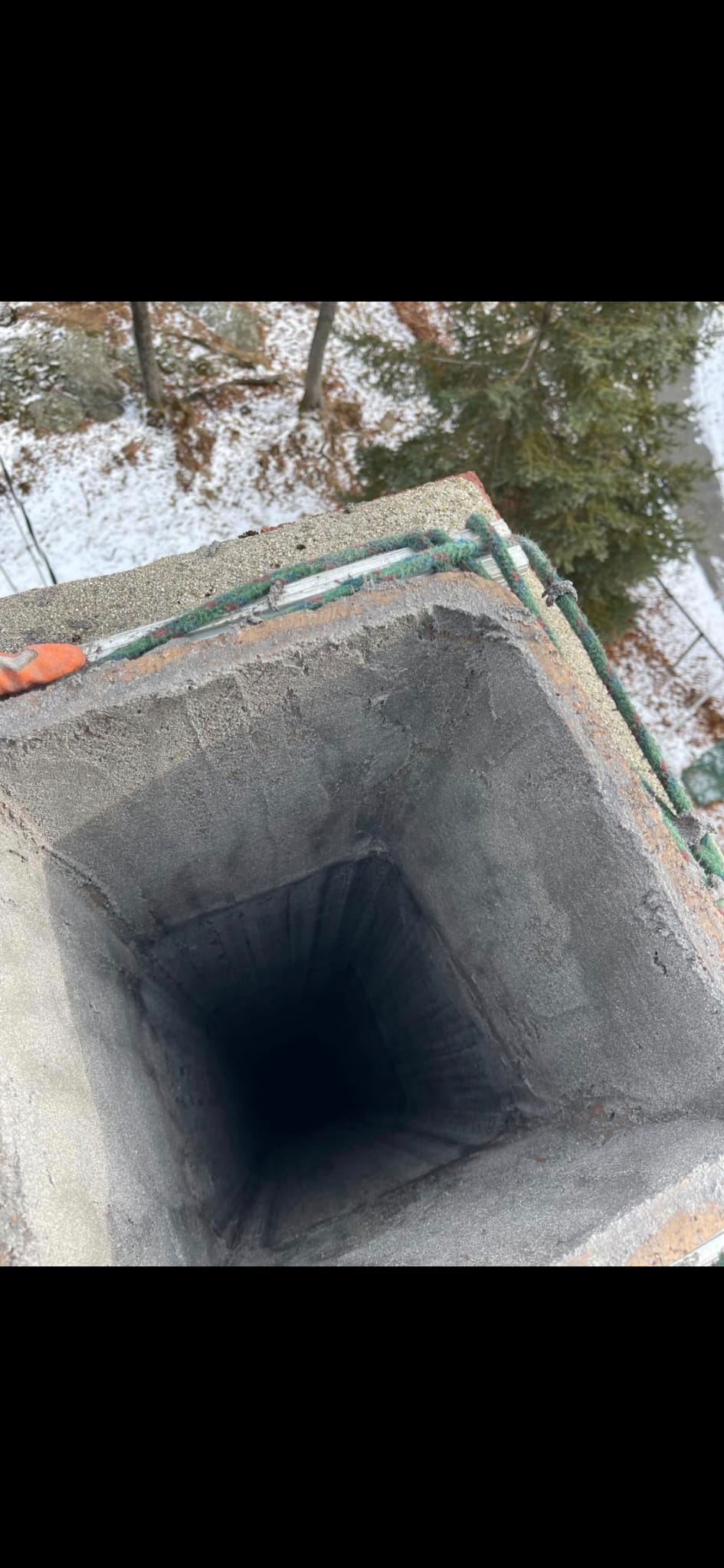
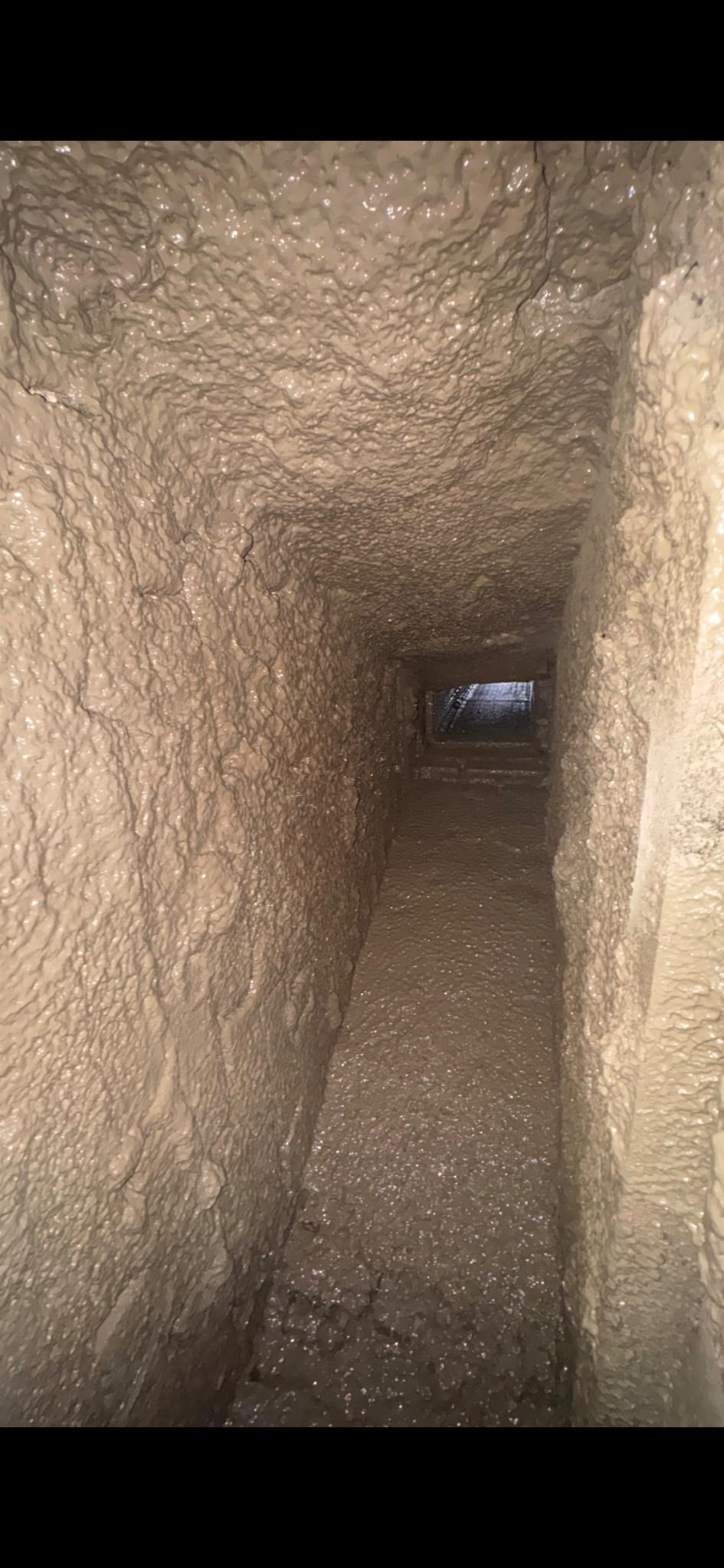
Real photos from chimneys we've lined. Problems like these are easy to miss from inside the house.
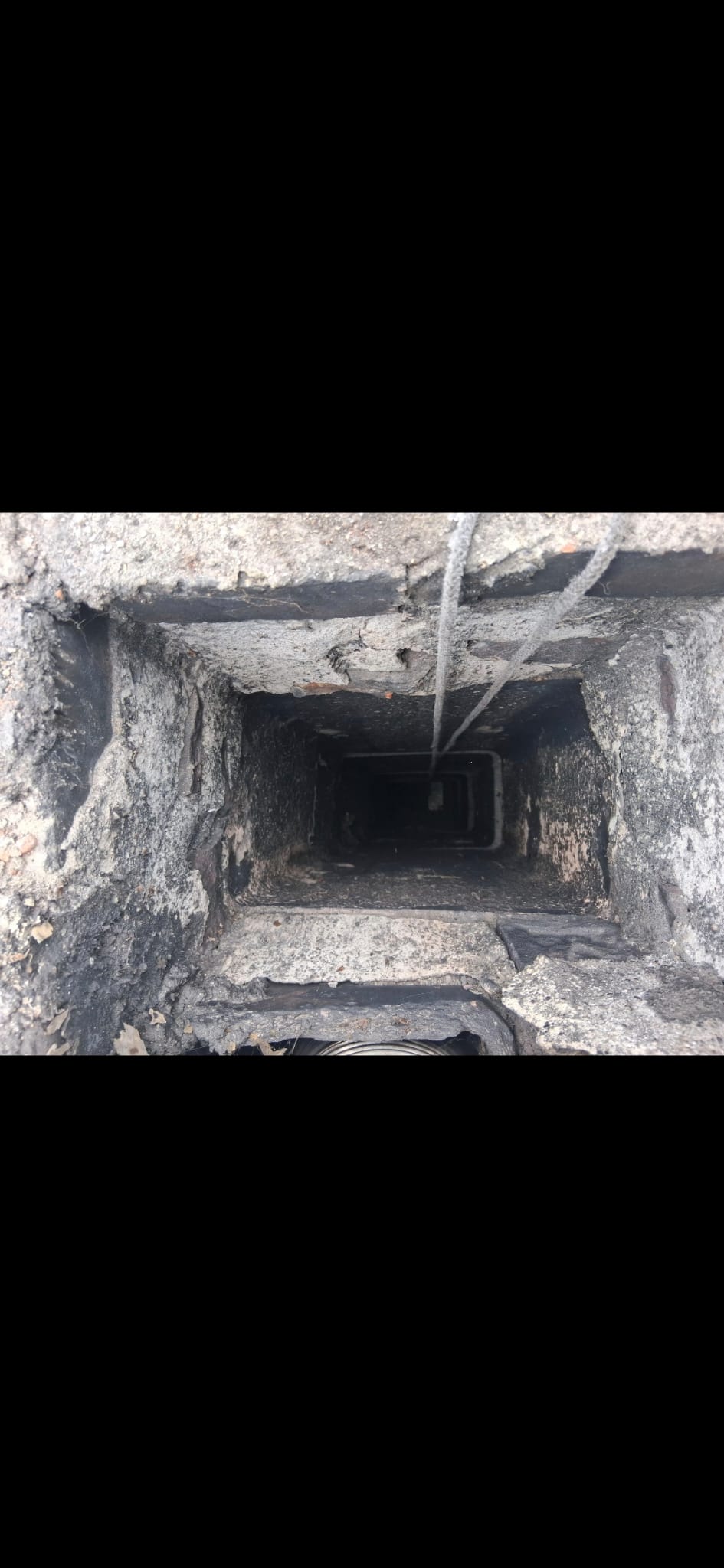
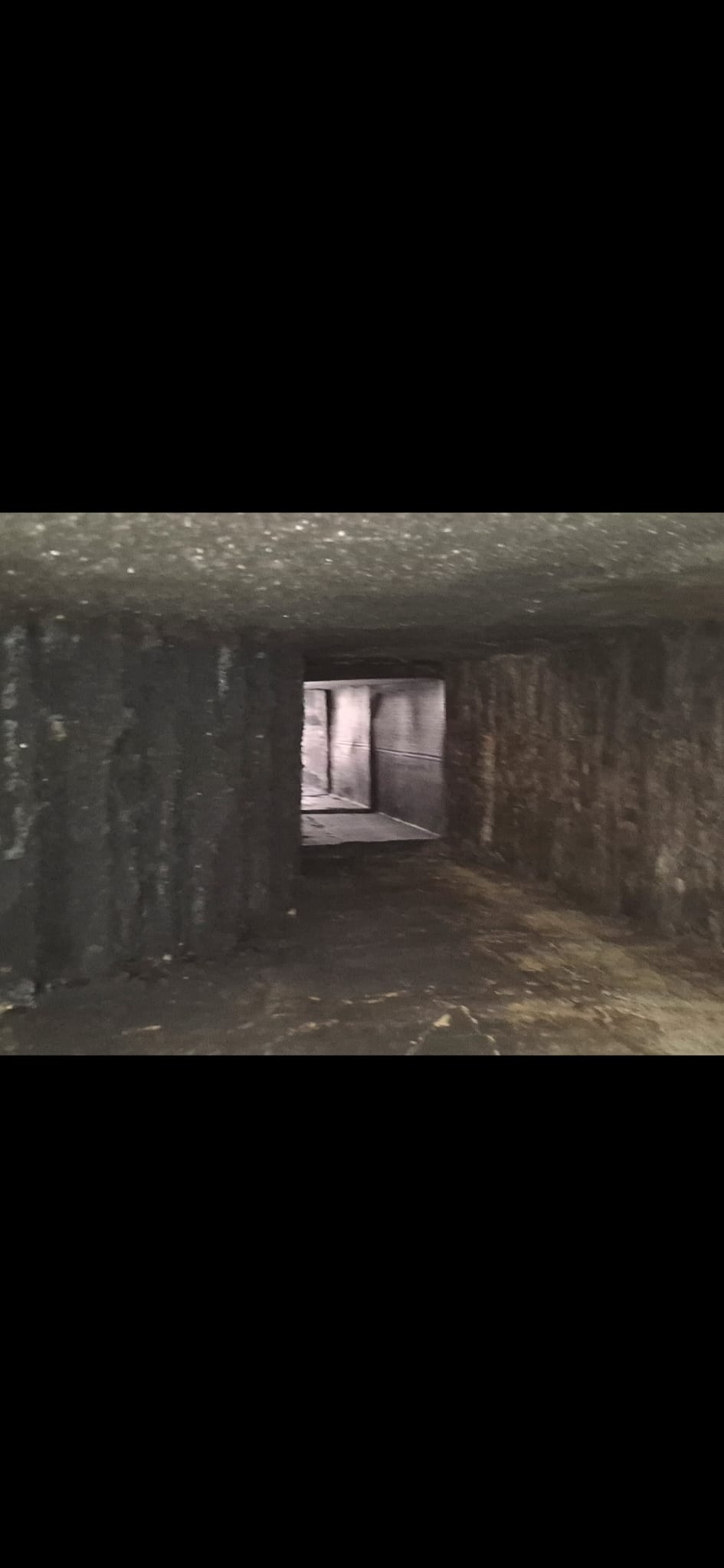
New stainless steel liner inside a chimney flue
New liner installedA clean, continuous flue from top to bottom
Close-up of a liner connection inside a chimney
Liner connectionSecure fit with no gaps
Liner and top plate at the chimney crown
Top plate & capSealed against water and debris
Looking up a lined chimney flue
Looking up the flueThe liner is what keeps you safe
Your liner project

How it works.

From first look to final inspection, we make the process simple.

01

Assess

We inspect the chimney and appliance to find out what liner you need.

02

Quote

You get a clear written quote for the liner and installation. No surprises.

03

Install

We install the liner, insulation and top plate to code, protecting your home.

04

Show you

We walk you through the finished work, with photos and a clear explanation.

Get a liner quote

Let's line it right.

Tell us about your chimney and appliance, and we'll get back to you with a quote.

  • Clear written quote
  • No obligation to book repairs
  • 19 towns north of Boston

FAQ

Liner questions.

Still unsure? Add your question to the form above.

What does a chimney liner do?
A liner is the inner wall of your chimney. It contains the heat and gases from your fire and vents them safely out of the house. A damaged or missing liner lets heat reach nearby combustibles, which can cause a house fire.
How do I know if my liner needs replacing?
Common signs include cracks or gaps in clay tiles, a missing liner, rust or water damage, smoke in the room, or a past chimney fire. A camera inspection will confirm the condition of your liner.
Can you install a liner in an old chimney?
Yes. Most old chimneys can be lined with a stainless steel system. If the chimney is badly damaged, a cast-in-place liner may be the better option. We'll assess yours and recommend the right solution.
Will a new liner make a mess?
We protect the area around your fireplace with drop cloths and keep the work area clean. You'll find your home the way we found it.
Should I use my fireplace before the liner is fixed?
If you've noticed smoke, a strong smell, damage or a past chimney fire, it's best not to use the fireplace until the liner has been checked. A damaged liner is a real safety risk.

Peace of mind, every fire.

Get your liner checked and quoted before the heating season gets busy.

Get a Liner Quote