Chimney Inspection · North of Boston

Know exactly what's inside your chimney.

A thorough chimney inspection from the crown to the firebox, with photos of everything we find. So you know it's safe to use, and what needs attention before it becomes a bigger problem.
  • Photo report
  • Safety-focused
  • Clear written findings
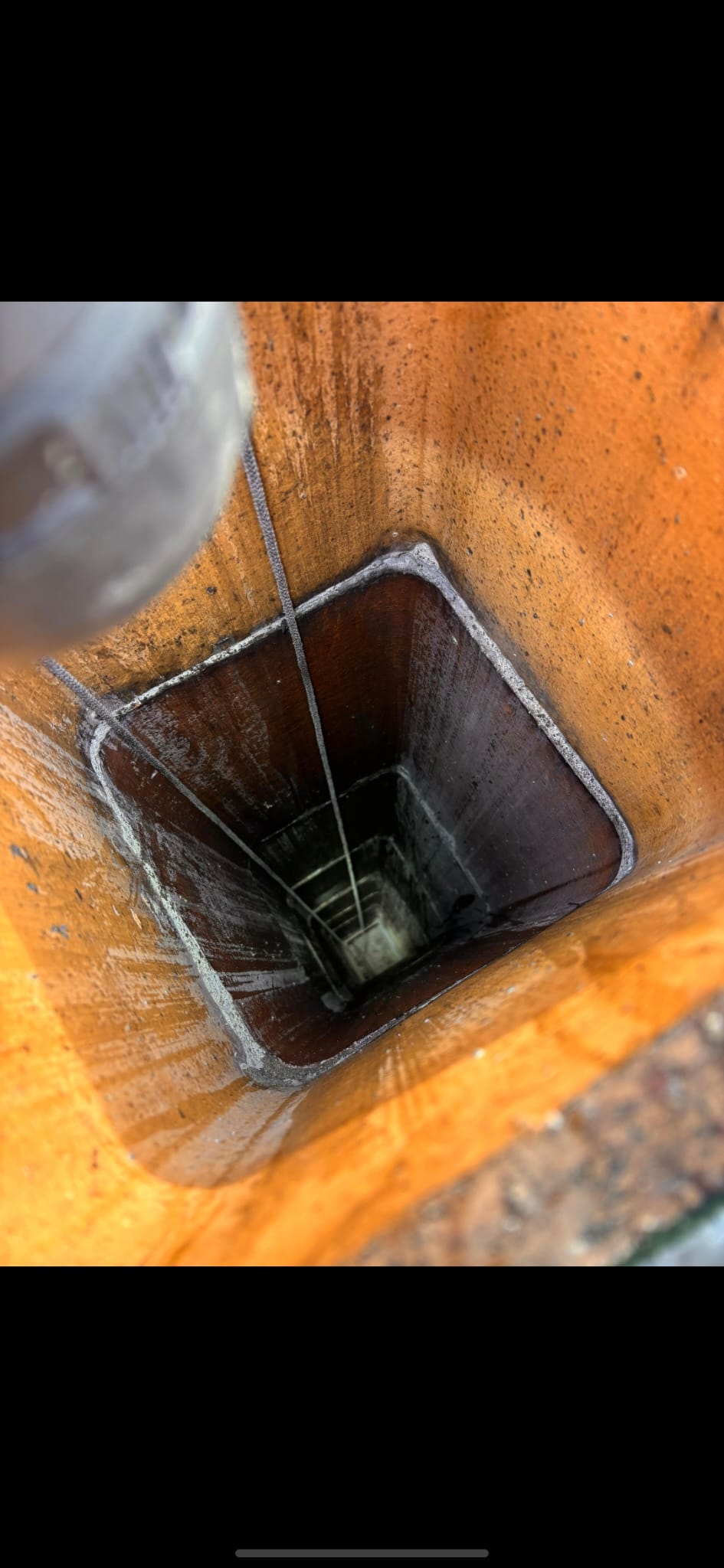
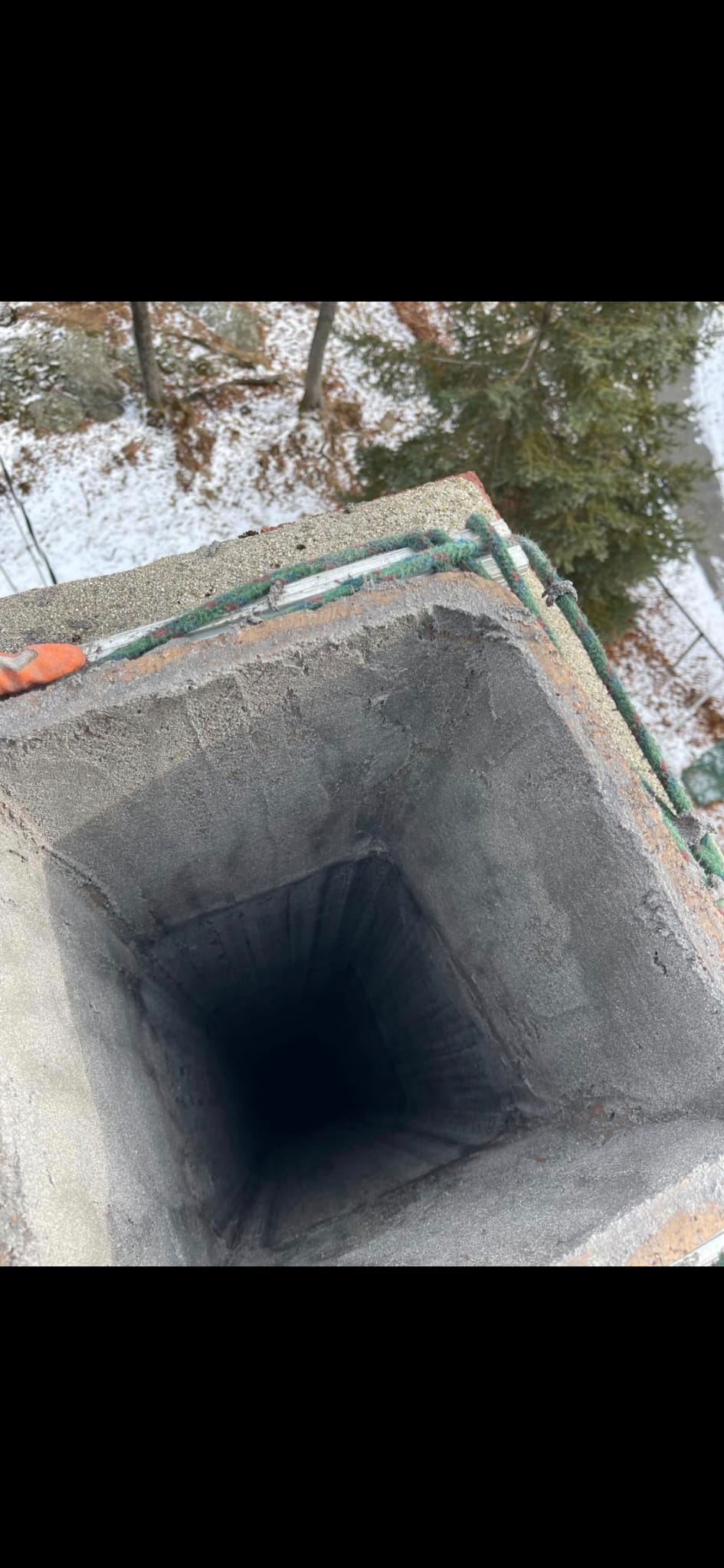
Chimney crown and flue inspected from the rooftop
See what we seePhotos from inside your flue
What we check

Top to bottom, every time.

A chimney is a system. We look at every part of it, inside and out, so nothing important gets missed.
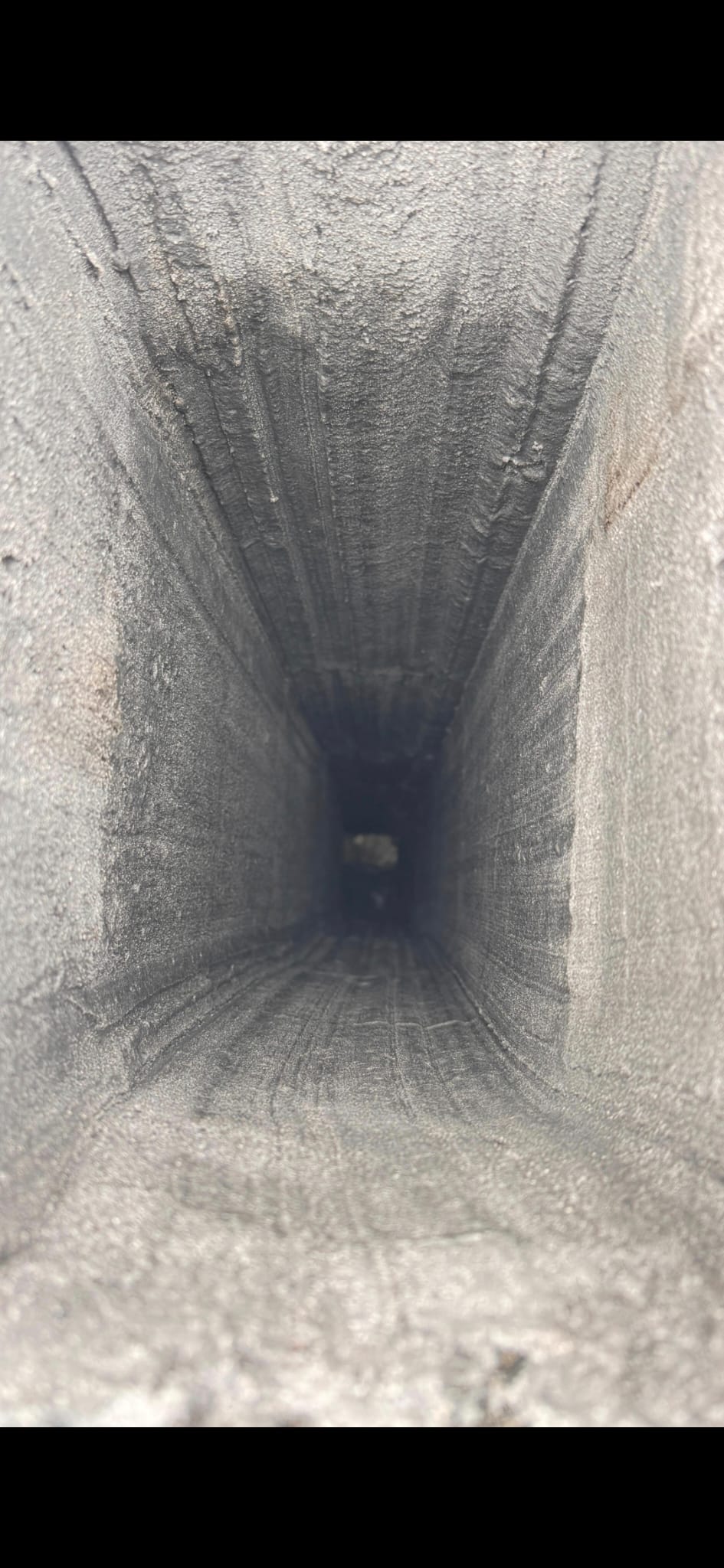
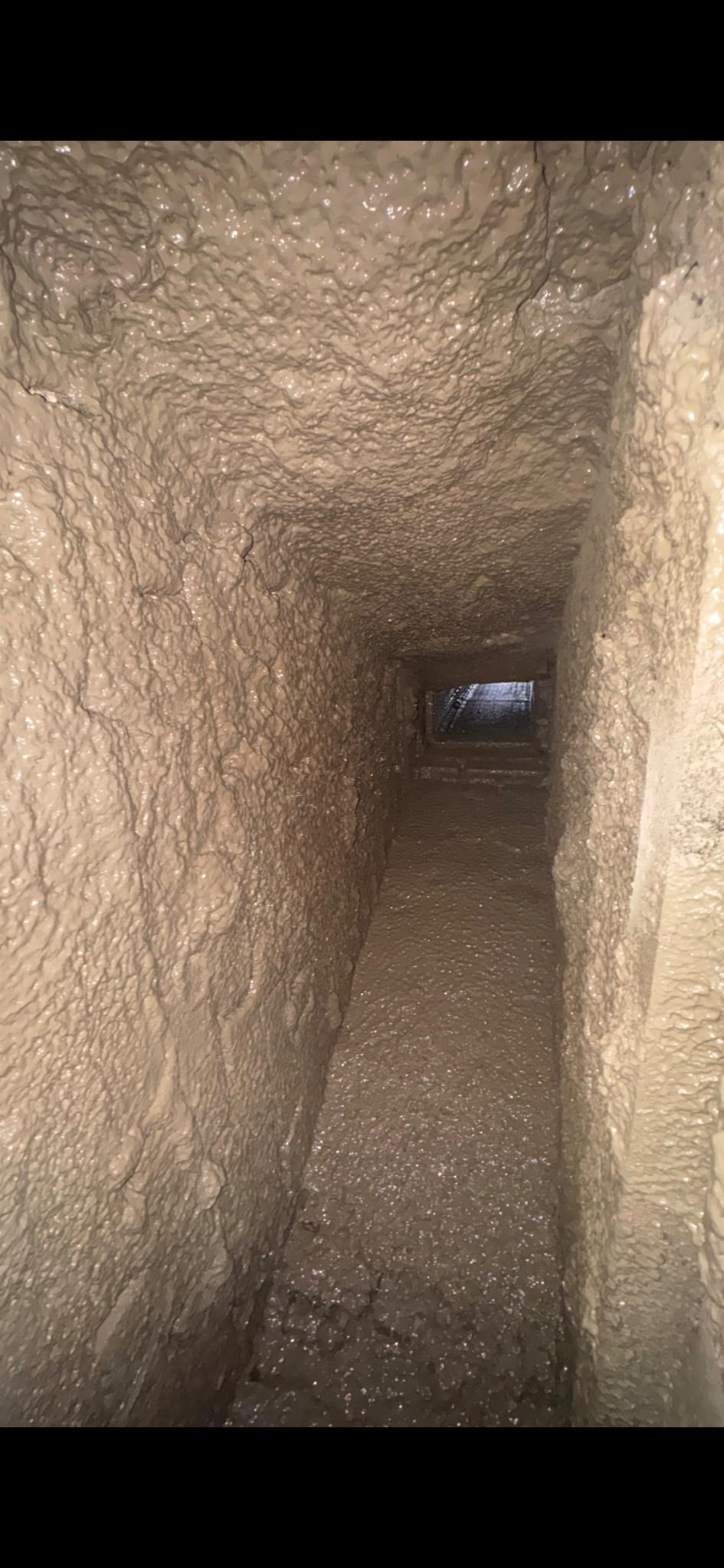
View up a chimney flue during an inspection
Inside the flueWhere most hidden problems start
01

Crown & cap

Cracks, gaps and a missing or damaged cap that let in water and animals.

02

Exterior masonry

Loose or missing bricks, failing mortar joints and white staining.

03

Flue & liner

Cracked or gapped tiles, liner damage and blockages.

04

Creosote build-up

How much soot and creosote is inside, and whether a sweep is needed.

05

Smoke chamber & damper

Rough or damaged smoke chambers and dampers that don't seal or open.

06

Firebox & hearth

Cracked firebrick, gaps in the firebox and hearth clearances.

Inspection levels

The right level for your home.

The NFPA 211 standard defines three levels of chimney inspection. We'll recommend the one that fits your situation.

01
Level 1

Annual check

For a chimney that's in regular use with no changes and no known problems.

  • Readily accessible parts inside and out
  • Basic soundness and obstructions
  • Creosote and combustible deposits
Most common upgrade
02
Level 2

Camera inspection

Everything in Level 1, plus a video scan of the full length of the flue.

  • Buying or selling a home
  • Changing fuel type or appliance
  • After a chimney fire, storm or earthquake
03
Level 3

Concealed areas

Only when a serious hidden hazard is suspected and can't be confirmed any other way.

  • Access to hidden parts of the chimney
  • May involve removing building materials
  • Rarely needed

Not sure which level you need? Tell us about your chimney in the form below and we'll advise.

When to book

Signs it's time for an inspection.

NFPA 211 recommends an inspection once a year for chimneys, fireplaces and vents. Book sooner if you notice any of these.

Book an Inspection
It's been over a yearOr you can't remember the last inspection.
Smoke or smells insideSmoke entering the room, or a strong smoky odor.
Damaged brick or tileCrumbling brick outside, or bits of tile in the firebox.
Water or rustLeaks, staining or rust around the fireplace or damper.
Buying or selling a homeA Level 2 inspection is recommended at a property sale.
New stove, insert or fuelChanging your appliance or switching fuel type.
After a storm or chimney fireLightning, high winds or any fire inside the chimney.
From our inspections

What we find.

Real photos from chimneys we've inspected. Problems like these are rarely visible from inside the house.
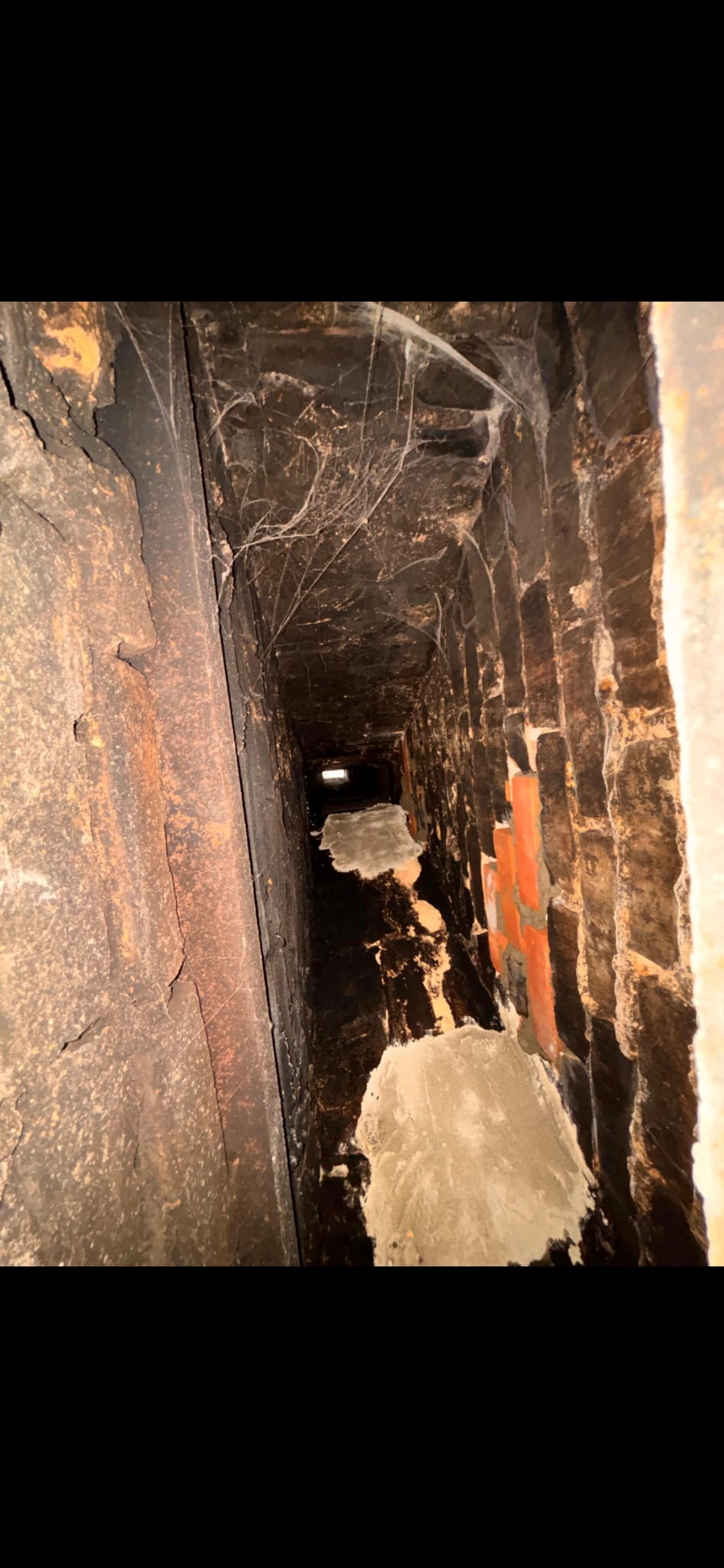
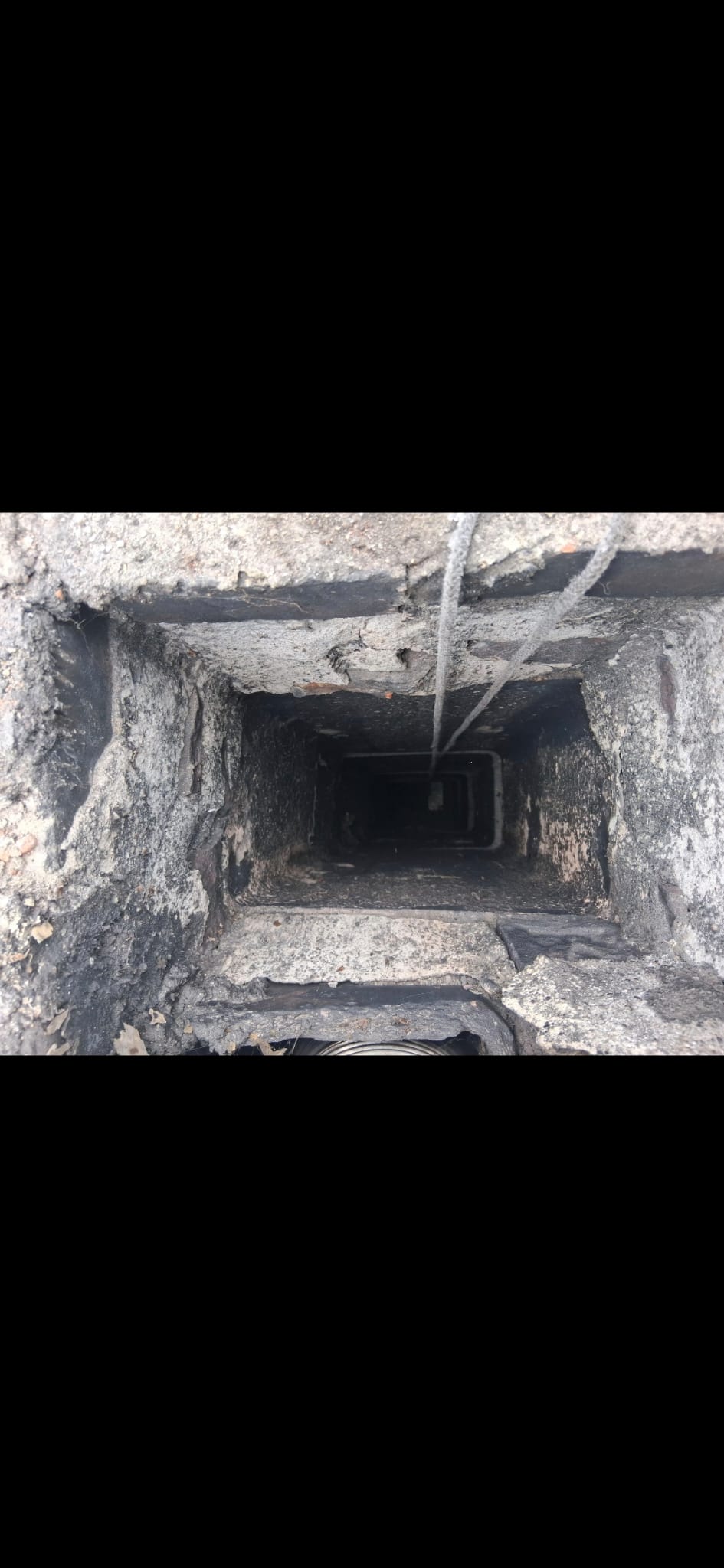
Flue with heavy creosote and failing tiles
Creosote & failing tilesA fire risk hidden inside the flue
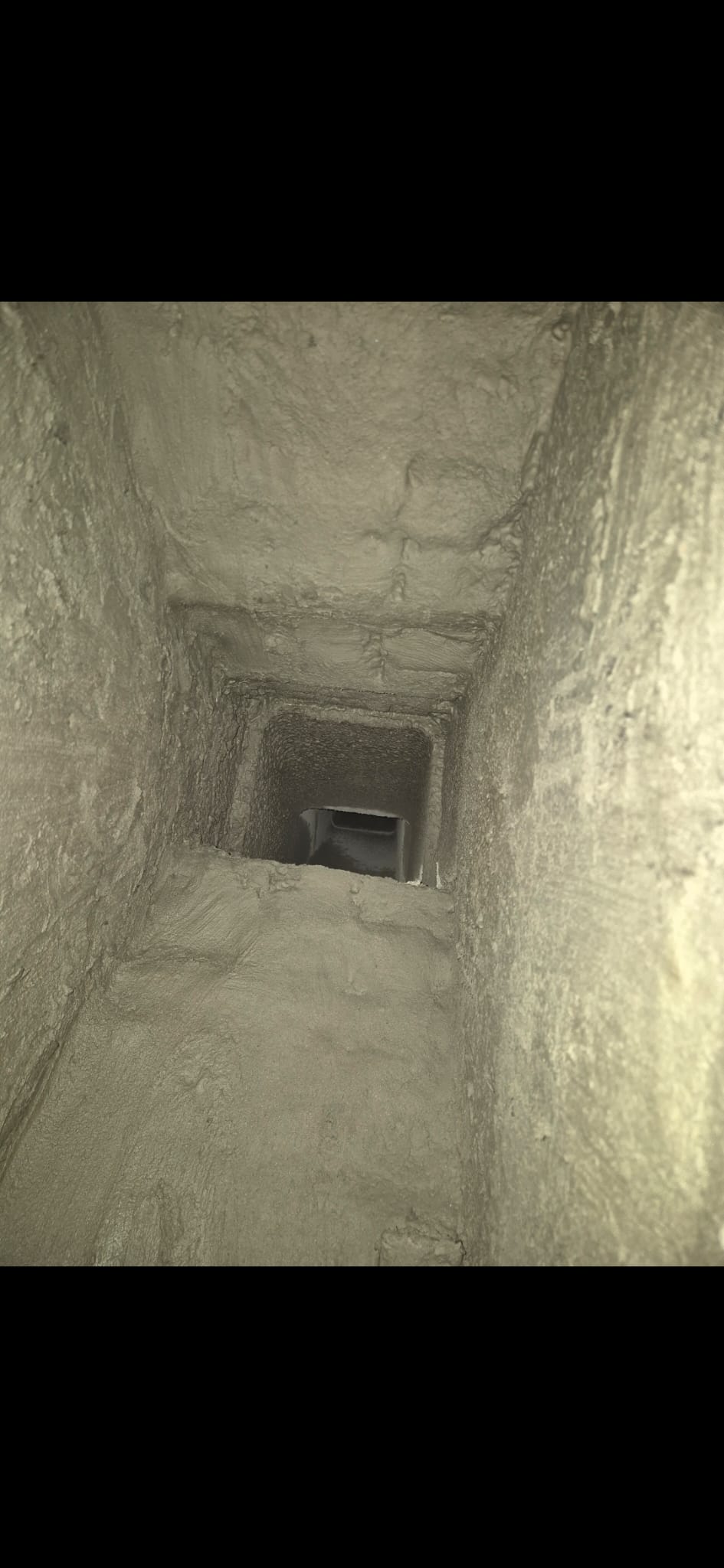
Flue coated in thick soot
Heavy sootRestricts draft and needs a sweep
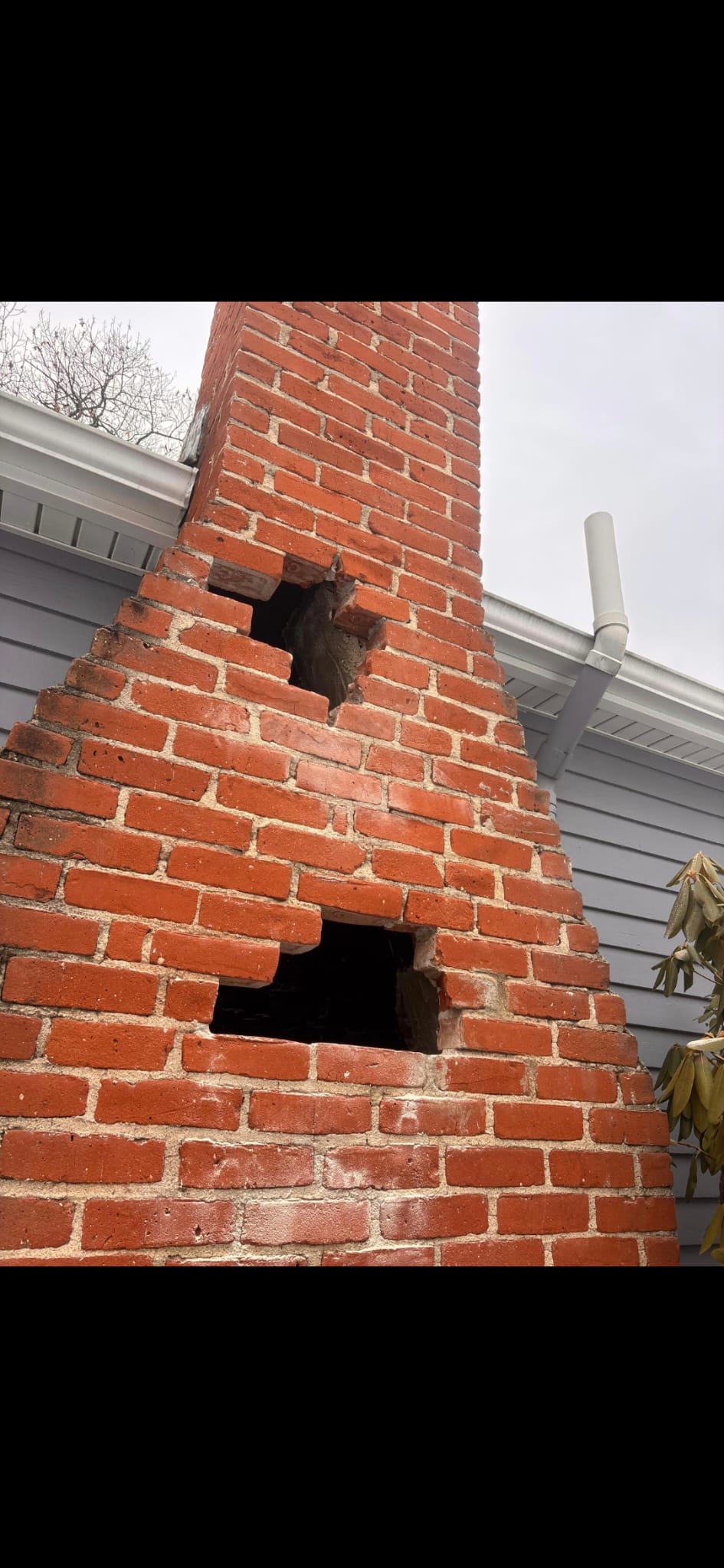
Brick chimney with sections of missing brick
Masonry damageMissing brick letting in water
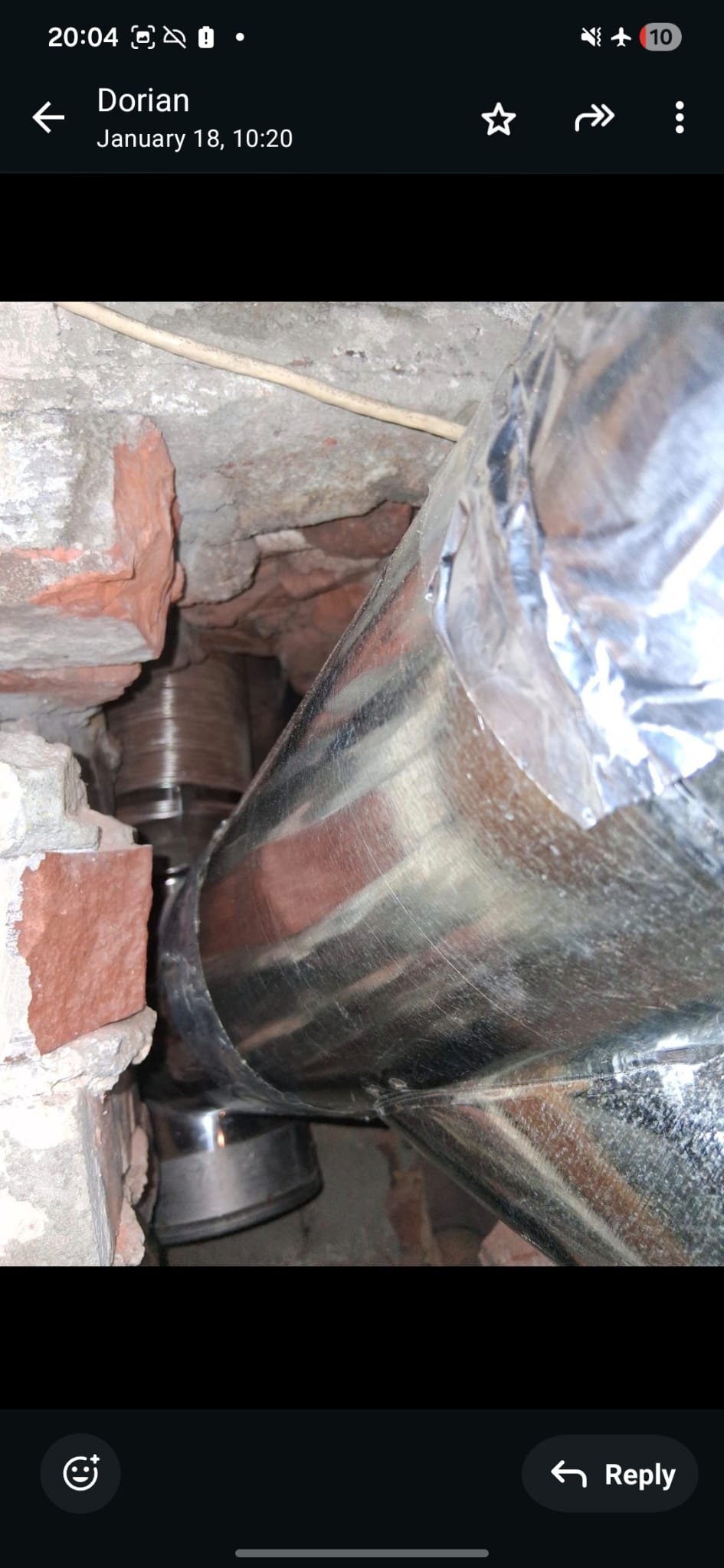
Liner connection inside a brick chimney
Liner connectionsChecked for gaps and proper fit
Your inspection

How it works.

Simple, clean and clear from start to finish.

01

Book

Send a request with the form below and we'll confirm a time.

02

Inspect

We protect your floors, then check the chimney from crown to firebox.

03

Show you

We walk you through what we found, with photos.

04

Recommend

If anything needs work, you get a clear written quote. No pressure.

Book your inspection

Let's take a look inside.

Tell us about your chimney and we'll get back to you to confirm a time.

  • Photo report of what we find
  • No obligation to book repairs
  • 19 towns north of Boston

FAQ

Inspection questions.

Still unsure? Add your question to the form above.

How often should my chimney be inspected?
The National Fire Protection Association (NFPA 211) recommends an inspection once a year for chimneys, fireplaces and vents, even if you don't use them often. Animals, weather and age can all cause damage without any use at all.
Is an inspection the same as a sweep?
No. An inspection checks the condition and safety of the chimney. A sweep removes soot and creosote. The inspection tells you whether a sweep, or any repair, is needed.
Do I need a Level 2 inspection when buying a home?
NFPA 211 calls for a Level 2 inspection when a property is sold or transferred. It includes a camera scan of the flue, so problems that a general home inspection can't see are found before you buy.
Will the inspection make a mess?
We protect the area around your fireplace with drop cloths and keep the work area clean. You'll find your home the way we found it.
Should I stop using my fireplace before the inspection?
If you've noticed smoke coming into the room, a strong smell, or damage, it's best not to use the fireplace until it's been checked. Otherwise, just avoid lighting a fire on the day of the inspection so the firebox is cool.

Peace of mind, every fire.

Book your chimney inspection before the heating season gets busy.

Book an Inspection